We are honored to have the support of Balcony Press. We first encountered Balcony Press from reading If Cars Could Talk by William Fain. Of course, we loved it. Not only the text, but the book itself was very well crafted. The layout, graphics, and feel of the book was great. We looked up the publisher and found out about Balcony Press. We were happy to discover that they are our neighbor, located in Glendale, CA. And that they have worked to curate quite a fine book list of publications all about art, architecture, and design. In addition to sponsoring the festival, Balcony Press will be at the festival with a pop-up bookstore. Be prepared to expand your bookshelf!
Photography by Troy Fuss
CRUISING LA: Architectural Styles in 5 Easy Drives
Inevitably, all visitors to Los Angeles discover that the automobile defines the L.A. experience. Unlike in New York or London, for instance, where complex networks of subways and buses provide access to nearly all points of interest throughout the city, in Los Angeles one must rely on one’s own navigation and driving skills to get from point to point. Thus, more often than not, visitors to Los Angeles spend much of their time in the city’s often-frustrating vast freeway system, away from the ground and the most endearing aspects of the place. Cruising L.A., the first driver’s companion guidebook to Los Angeles, replaces the frustration that is unique to touring L.A. with an expertly guided five-day driving route that exposes one to the most scenic neighborhoods Los Angeles has to offer, revealing the culture, architecture, and stunning landscape features that comprise the draw that brings so many visitors to L.A. to begin with.
This elegant book chronicles the efforts of the impressive team of international architects, designers and retailers who created Los Angeles’ famed Art Deco masterpiece.
Original Pub Date 1996
Patrick Pascal
Introduction by David Gebhard
KESLING MODERN STRUCTURES: Popularizing Modern Design in Southern California 1934-1962
Beginning in November 1935, William Kesling was Southern California’s most prolific and successful practitioner of Streamline Moderne design, then called Modernistic. With never before published photographs by Julius Shulman, this book is the first exploration of the work of an important yet little-known player in Southern California’s fertile modern movement.
by Scott Johnson
THE BIG IDEA: Criticality and Practice in Contemporary Architectures
In this engaging memoir from the design partner of award-winning Los Angeles architecture firm Johnson Fain, the author shares his personal experiences as a designer on the rise in the latter half of the twentieth century as he considers the last forty years of the relationship between practice and theory in American architecture. From his childhood days in California’s Salinas Valley to his tenure with legendary architect Philip Johnson to his time with Skidmore, Owings & Merrill to the formation of his own firm and its rise toward the top of the architectural firmament, Johnson’s unique insight makes for a fascinating discussion of each of the major movements that have characterized the world of architecture since Modernism.
Carol Bishop
Introduction by Margo Stipe
Frank Lloyd Wright: The Romantic Spirit
In Frank Lloyd Wright: The Romantic Spirit, Carol Bishop’s paintings and photographs capture both the radiant energy and the ephemeral quality of Wright’s architecture. Bishop’s work also reveals how Wright’s architecture inspires thoughts and feelings about the harmony between nature and humanity.
This compact and lovely sketch book was created by architect Bill Fain while on a six-month Fellowship at the American Academy in Rome. Exploring the city on bicycle and eventually the countryside of Italy, he created in colored pencil this, his 41st sketchbook. The sketches start out modestly, small with a single method, and become more developed later on as the momentum of discovery built through the course of the journey. Readers will experience the same sense of discovery as they peruse the pages to find their favorite scene. This book is about growing and experiencing the glories of life; about the passion to know about those that have gone before; about the luxury of time, and setting some of it aside to reflect and to let the other side of the brain take charge, where instinct and intuition reside.
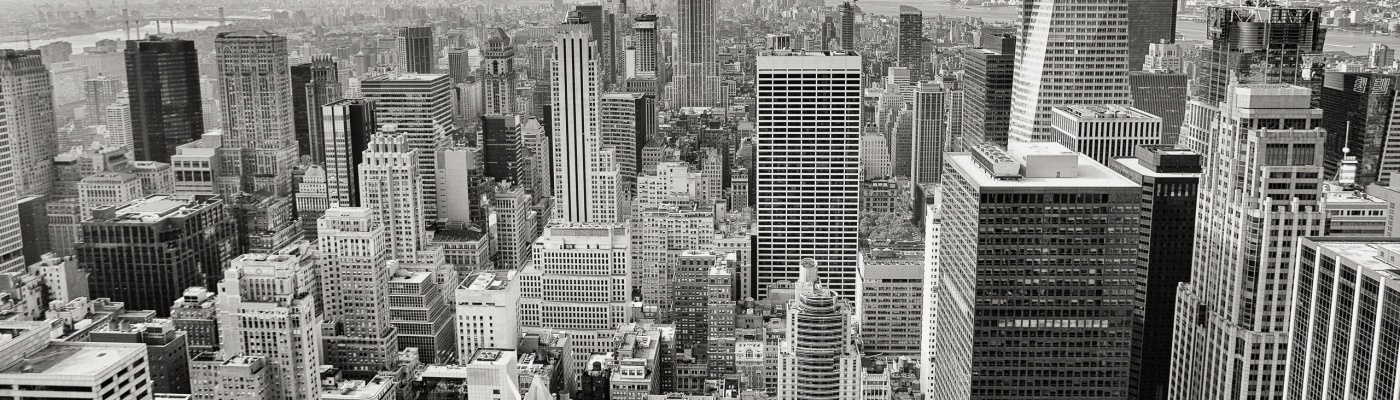
The skyscraper, whatever it may be as physical fact, looms large in our lives and as a figment of our imaginations carries with it ideas of wealth, ambition, and dominance. The image of the skyscraper has been made and remade in the news, in literature and film, and now in all forms of our now global media. Paradoxically, as the building type continues to become more complex and is designed to address fundamentally different cultural conditions, the image, that is to say, the idea, of the skyscraper in the public mind seems to become simpler, more omnipresent, and more consumable. Building Tall explores what the skyscraper evokes in us as a curious and complex technical achievement and also as a powerful image that has inspired artists for over 100 years. Johnson’s readable text and his intimate knowledge of tall building brings the skyscraper to life both technically and emotionally. Numerous rarely seen images of landmarks of architecture make this book a visual treat.




 Better Cities Film Festival